Barrel Sauna Chimney: Safety and Maintenance
How the flue of a wood-fired sauna is routed, what clearances to timber apply, what a spark guard is for and how often to clean the chimney.
Read →Almost every sauna owner asks this after the first season. Usually the answer is yes, it is normal, but there are three things you should react to, and it is worth being able to tell them apart.
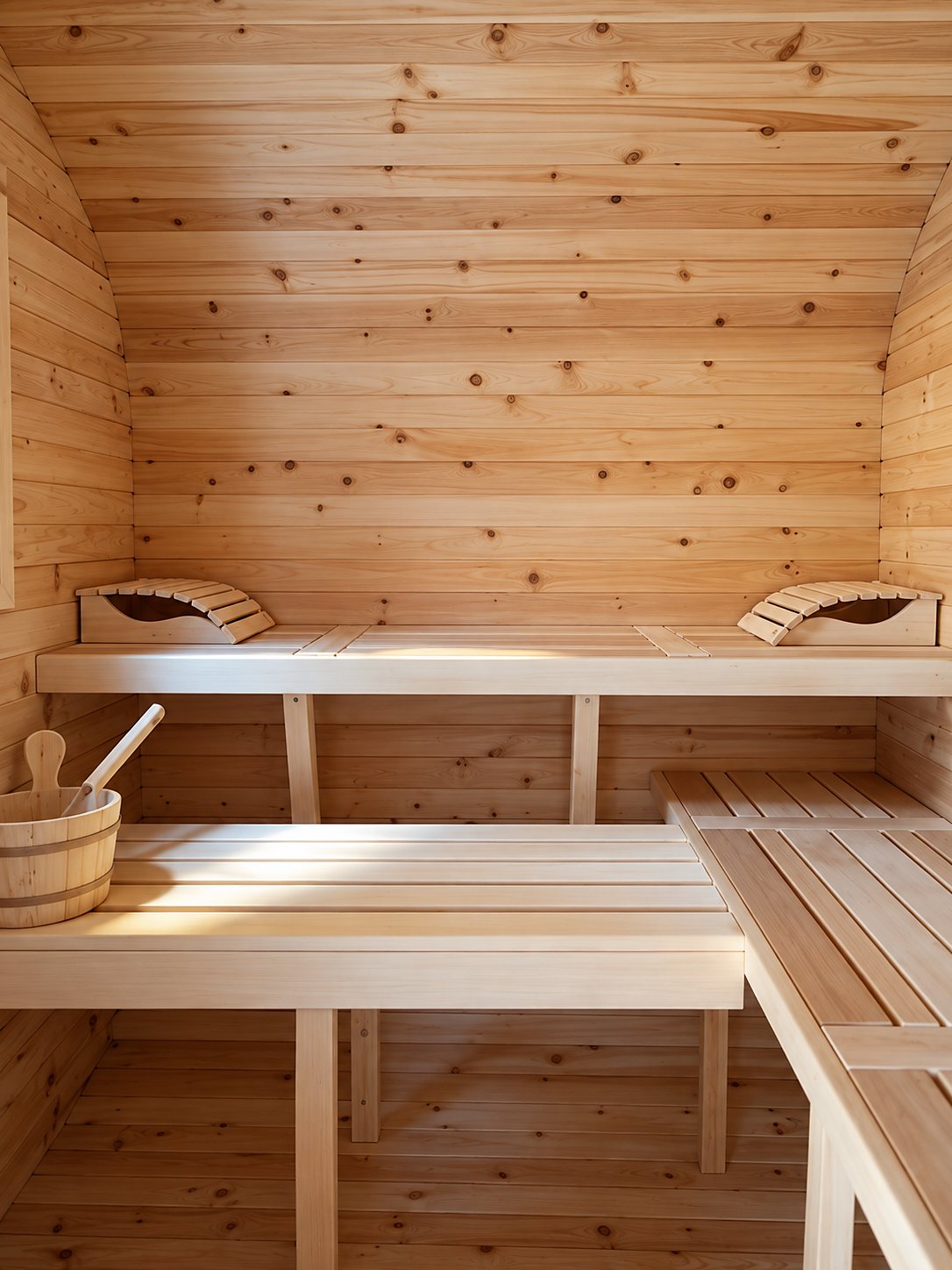
A sauna has the harshest conditions wood faces in normal use. Within an hour it goes from outside temperature to 90 °C and back, with changing humidity. In winter the swing is over 100 degrees.
Wood expands and contracts unevenly: differently along the grain than across it. The creaking as it heats up is the sound of that work, loudest in the first seasons.
Lengthwise cracks along the grain, shallow, not running right through. They appear on the outside of the staves, especially on the sunny side.
They affect neither tightness nor stability. Manufacturers usually exclude them from warranty, which is fair: it is a property of the material, not a workmanship fault.
They do not keep growing over time. Most of it happens in the first two seasons, after which the wood stabilises.
A crack running right through that you can see light through from inside. That is a defect and is covered by warranty.
Staves pulling apart at the joint. First check the tension of the bands: after the first season, re-tightening is normal maintenance, not a warranty case. If that does not help, the wood has deformed permanently.
Dark patches and a musty smell. That is not normal wood movement, it is moisture, which means a problem with ventilation or with drainage under the sauna.
Airing out regularly after every session. A quarter of an hour with the door ajar and vents open is the cheapest and most effective thing on the whole list.
Treating the outside once a year. It protects against the constant swing between wet and dry, the main reason for cracks.
Not heating “from zero to maximum” every time. A gentler heat-up is kinder to the structure.
Do not fill cracks with silicone or filler. Wood has to move: blocked in one place, it splits in another.
Do not cover the sauna airtight with a tarp in winter. Moisture collects under the sheet, and the wood rots faster than it would uncovered in the frost.
Do not wash it with a pressure washer. It destroys the surface and drives water into the wood.
Name and phone number — we will message you on WhatsApp, help you pick the size and price it with delivery to your address.
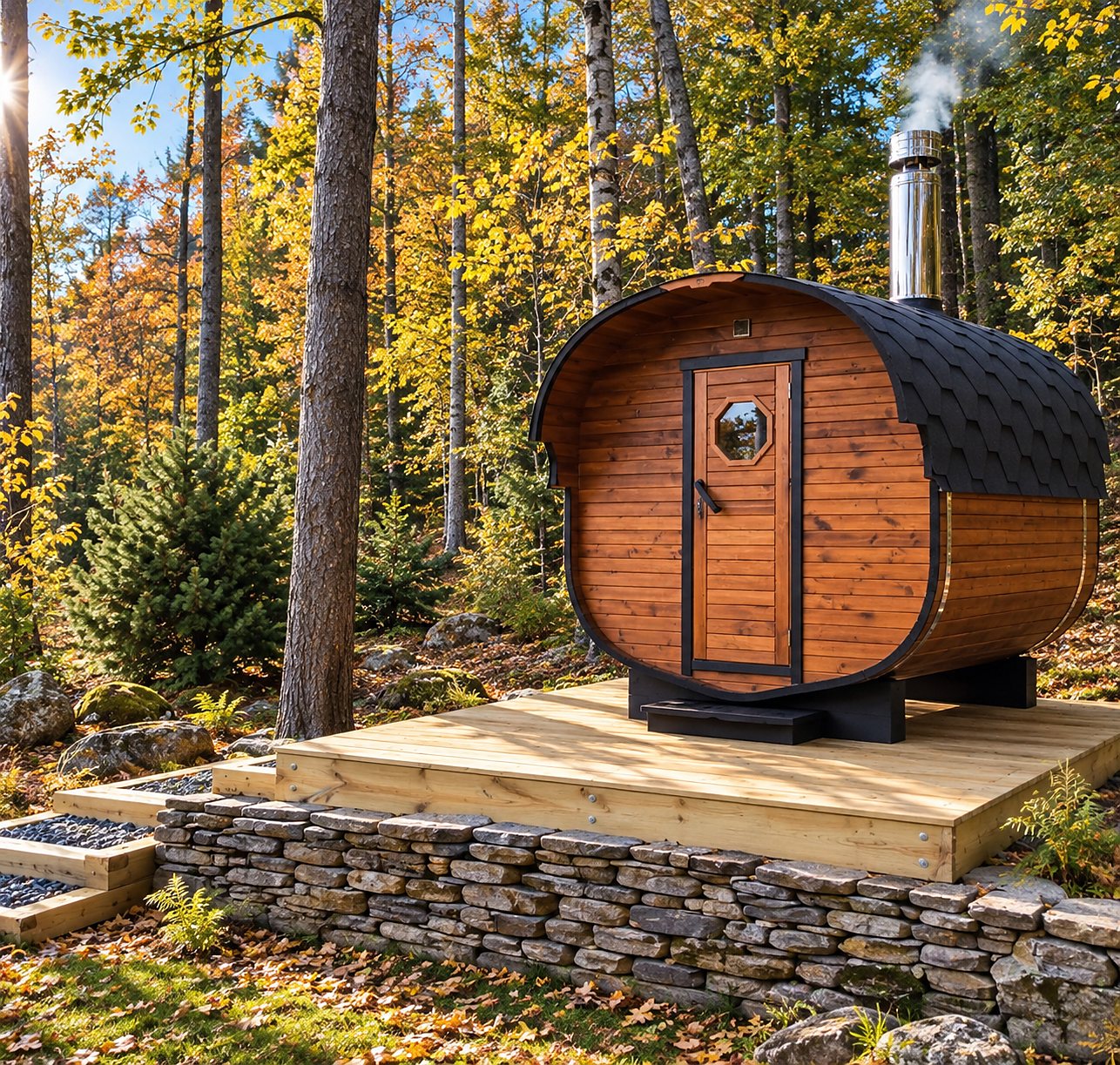
How the flue of a wood-fired sauna is routed, what clearances to timber apply, what a spark guard is for and how often to clean the chimney.
Read →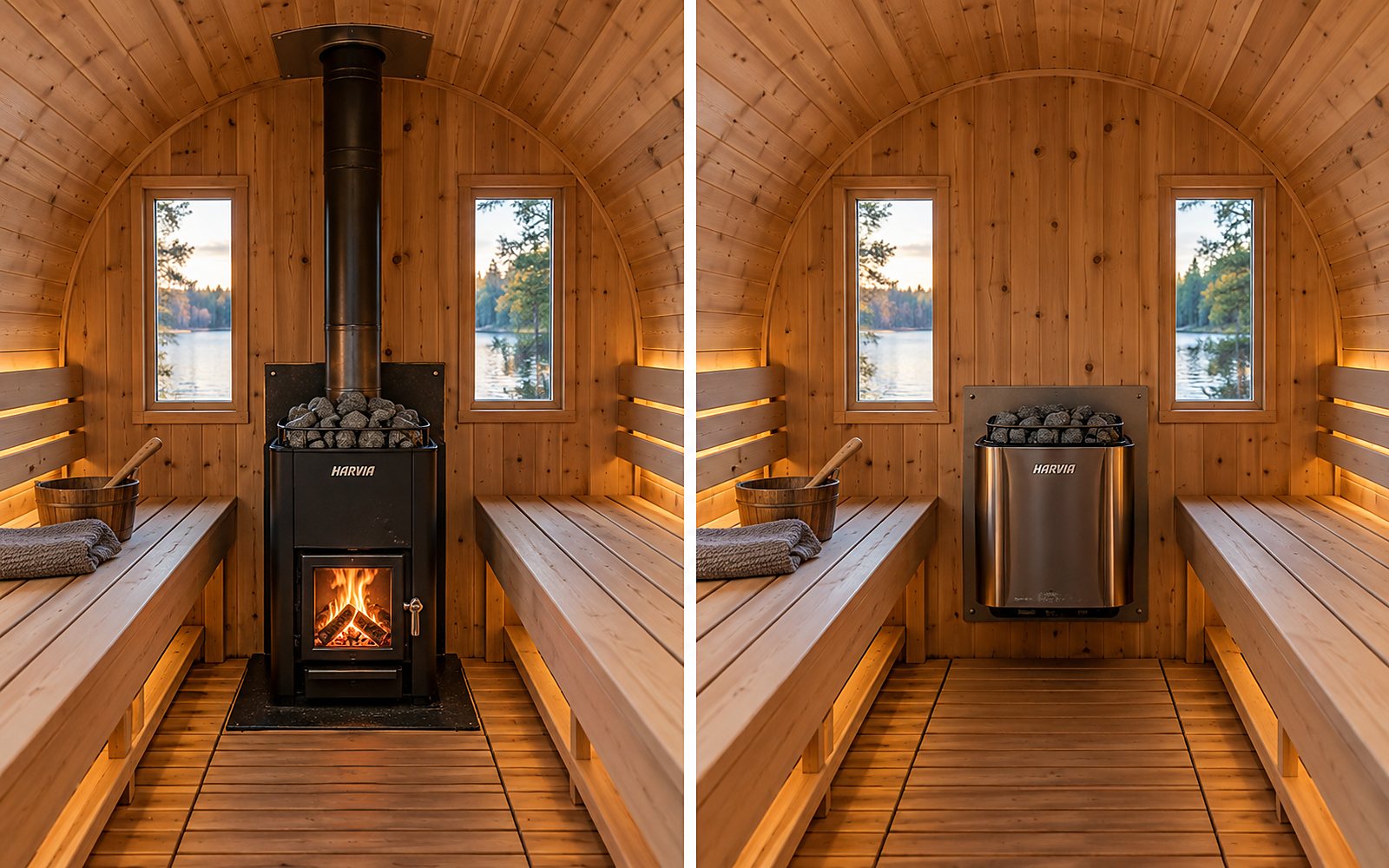
Wood-burning or electric stove for your garden sauna? Heat character, running costs, power supply, safety and which to choose for home, holiday home or let.
Read →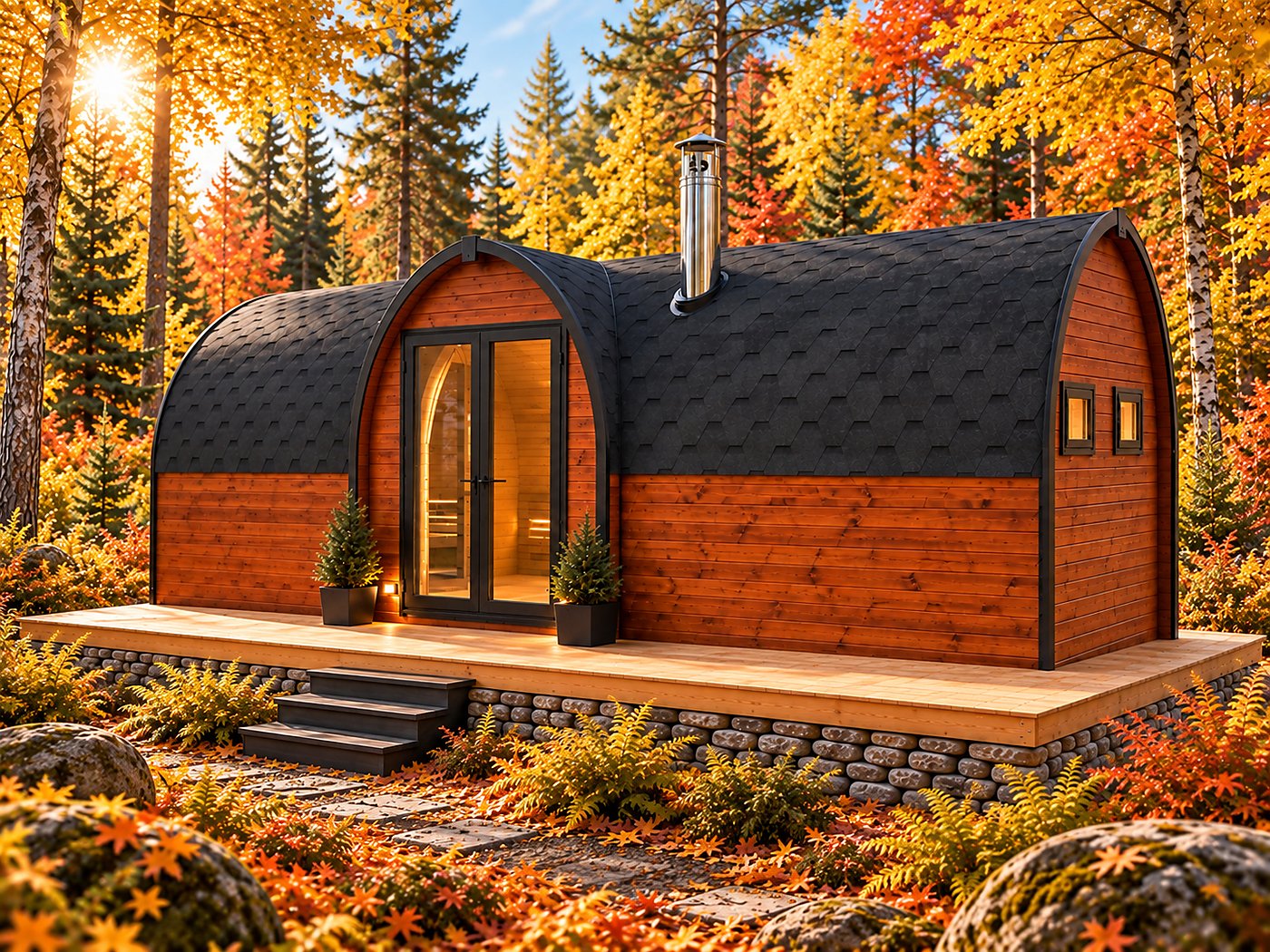
A simple care routine for a barrel sauna: after every use, once a season and yearly wood treatment, plus what never to do, such as pressure washing or varnish.
Read →Name and phone number — we will message you on WhatsApp, help you pick the size and price it with delivery to your address.
Cookies
Besides the essential ones, we use cookies for visit statistics and measuring ad performance. We turn them on only with your consent. Privacy.